
Cruise scams involve various schemes targeting cruise passengers before, during, and after their trips. They aim to steal money and personal information. These scams can also disrupt travel plans. Common tactics include posing as cruise line representatives. They may offer free or discounted cruises with hidden fees. Scammers also target social media posts to steal booking details.
Common Cruise Scams:

- Fake Cruise Line Representatives:Scammers may impersonate cruise line staff to solicit payment or personal information. They might ask for details such as credit card information for supposed unpaid fees or booking issues.
- Free Cruise Offers:Promising free or significantly discounted cruises is a common tactic. Scammers lure victims into their schemes with catch-up fees or additional charges.
- Social Media Scams:Scammers use social media to gather information about cruise plans. They then attempt to cancel bookings or obtain financial information under false pretenses.
- Port Scams:Scammers in cruise ports may offer deals or services that look appealing but are misleading. They may use deceptive tactics to steal money or belongings, according to the Points Guy.
- Fake Ticket Scams: Scammers sell fake tickets or confirmation documents for cruises. Passengers arrive at the port only to find that their booking doesn’t exist.
- Unsolicited Contact:Scammers may reach out with unsolicited offers. They might make claims that promise things too good to be true. These include free cruises or deals with no hidden costs.

Fake Booking Sites and Ads:
- How it works – Scammers create websites and social media ads that mimic legitimate cruise lines. They also mimic travel agencies. These scams offer unbelievable deals to lure victims.
- Red flags – Ultra-low prices, requests for upfront payment, and pressure to book immediately.
- What to do – Always book directly through the cruise line’s official website or a trusted travel agent.
Unexpected Charges and Fees:
- How it works– Scammers pretend to be cruise line employees, travel agents, or even crew members. They do this to gain your trust. Their goal is to extract information or money.
- Red flags– Unsolicited calls or messages claim issues with your booking. They may request personal information or payments. There is often pressure to act quickly.
- What to do – Hang up on unsolicited calls and verify any requests with the official cruise line.
What to do: Carefully review your booking confirmation and itemized bill, and question anything that seems unclear or excessive.
Scammers may add hidden fees or taxes to your booking, making the final price much higher than advertised.
Red flags – unexpected charges, vague or confusing fee structures.
WHAT TO DO TO PROTECT YOURSELF
- Verify Contact:If contacted by someone claiming to be from a cruise line, verify their identity by contacting the cruise line directly using the official contact information on their website.
- Be Wary of Free Offers:Be skeptical of offers that seem too good to be true, especially if they involve upfront payments or require personal information.
- Avoid Sharing Personal Information:Do not share sensitive information like Social Security numbers, bank account details, or passwords, unless you are certain the contact is legitimate.
- Look for Red Flags:Be cautious of pressure tactics, vague fee structures, or unusual requests for information.
- Report Suspicious Activity:If you encounter a scam, report it to the appropriate authorities or the cruise line.
Here’s a more detailed breakdown of where to report:
Federal Trade Commission (FTC):
- ReportFraud.ftc.gov: The FTC’s website is a central hub for reporting scams and frauds, including cruise-related ones.
FBI’s Internet Crime Complaint Center (IC3):
- ic3.gov: The FBI’s IC3 handles complaints about internet crimes, which can include online travel scams.
Cruise Line Customer Service:
- Contact the cruise line directly: If the scam involves a specific cruise line or a service related to that line, contact their customer service department to lodge a complaint.
State Consumer Protection Offices:
- Your state’s attorney general or consumer protection agency: These offices often have dedicated teams to handle consumer complaints and may be able to investigate the scam.
Better Business Bureau (BBB):
- BBB.org: The BBB maintains a database of businesses and can help you verify their legitimacy and file a complaint.
Federal Maritime Commission (FMC):
- Complaints@fmc.gov: The FMC handles complaints about cruise lines and can help mediate disputes.
Other Reporting Options:
- Your bank or credit card company:If you’ve been defrauded through a credit card transaction, report it to your bank or credit card company immediately.

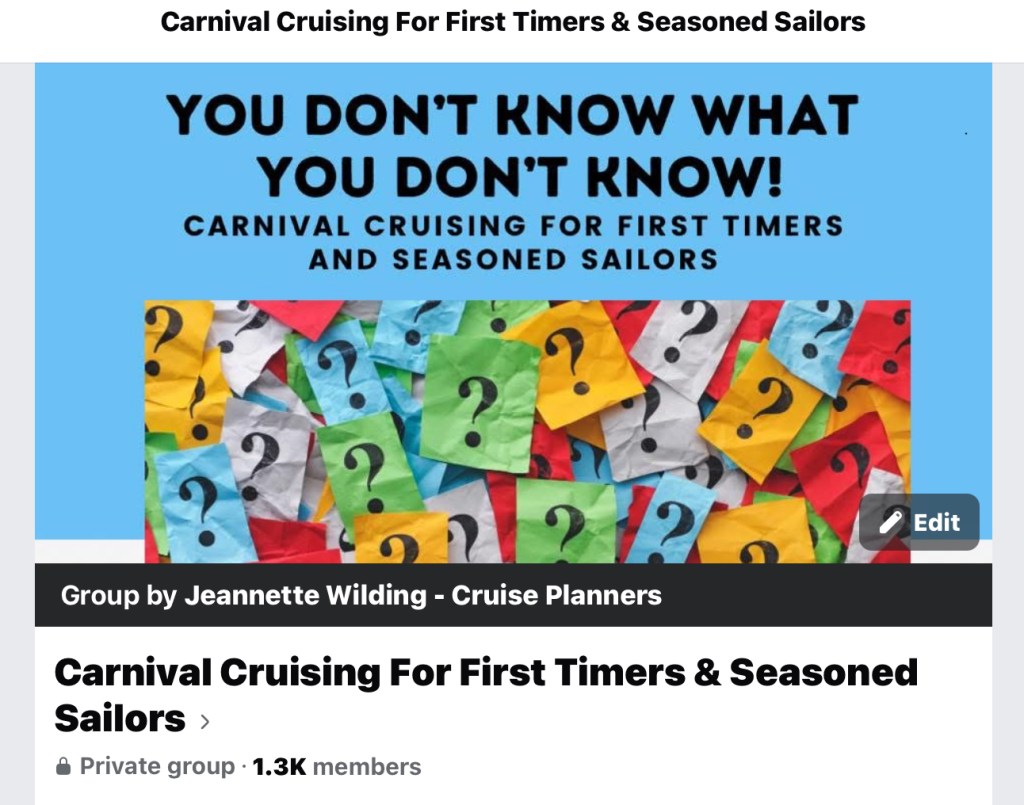
Here’s a group just for new cruisers and others! No judgment with correct answers to your questions. Lots of in-depth information, tips and personal advice!
Carnival Cruising for First Timers & Seasoned Sailors

Leave a comment